
Natural vs washed coffee: what the process changes in your cup
A practical guide to natural and washed coffee processing: what happens after harvest, how it can shape flavour, and how to choose by the cup you want.
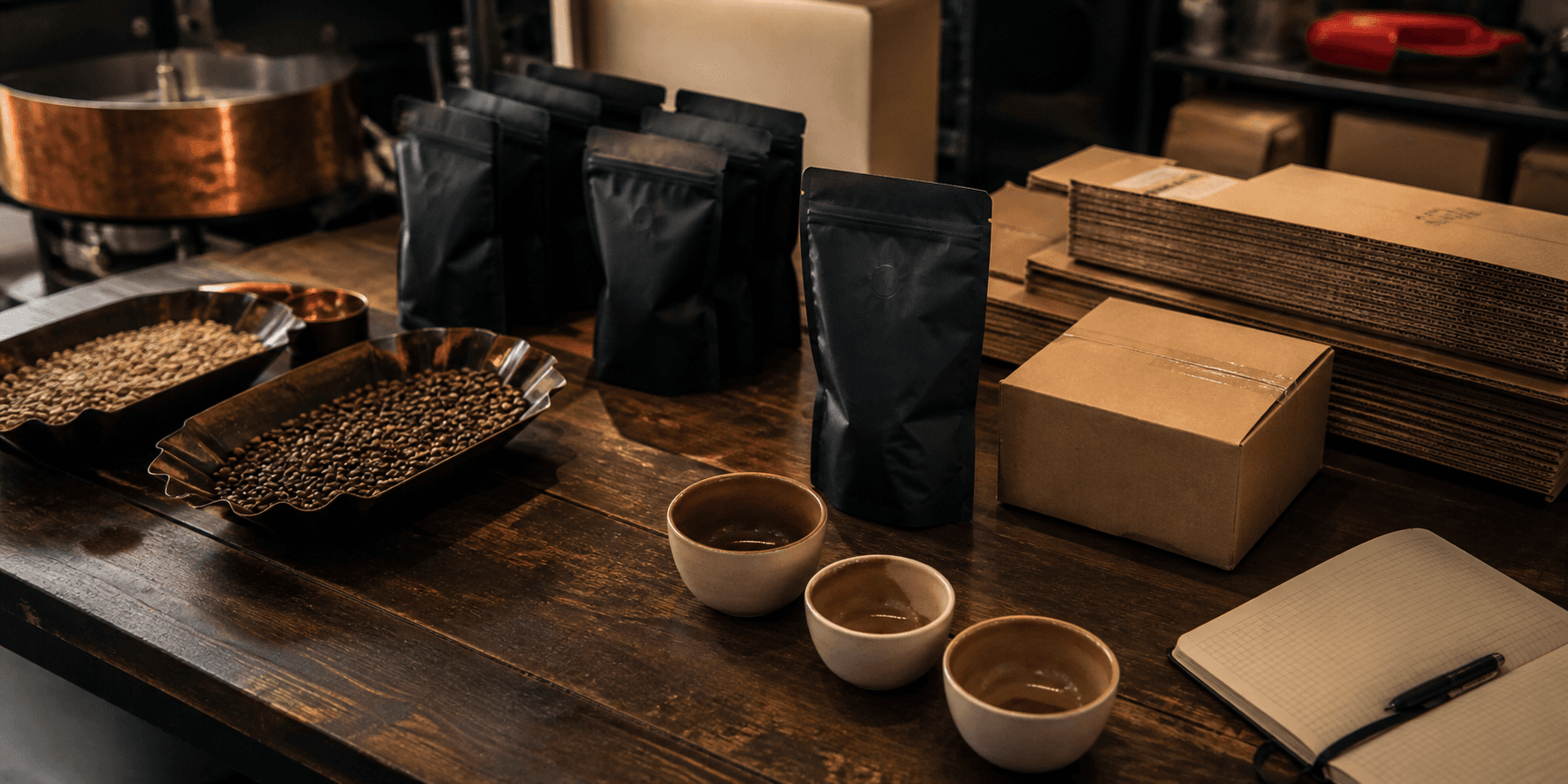
Coffee processing is what happens to the fruit after it is picked and before the seed becomes green coffee. It is not a tasting note or a roast level. It is one of the choices that can shape how a coffee feels in the cup, alongside variety, growing conditions, drying, roasting, water, and brewing.
A washed coffee is generally pulped soon after harvest, then cleaned of its fruit layer before it is dried. That route often makes it easier to notice a coffee's structure: citrus-like acidity, floral character, clarity, or the particular sweetness of the place it came from. It does not guarantee a bright or delicate cup, but it is a useful clue when you want the coffee to feel clean and easy to separate into flavours.
A natural coffee dries with the fruit still around the seed for much more of the process. It can bring a rounder, fruit-forward impression: berry, tropical fruit, jam, chocolate, or a heavier sweetness. The result depends greatly on careful picking and drying. A natural process is not automatically wild, and it is not automatically better. It is simply a different path from cherry to bean.
The quickest way to use this information is to start with the cup you want. Choose washed coffees when you are looking for definition, gentle florals, citrus, or a brew that changes clearly as it cools. Choose natural coffees when you want a more generous fruit character, a softer outline, or a coffee that feels especially comfortable in espresso and milk. The bag still matters more than a single word: read the tasting notes, roast guidance, and recommended brew methods together.
Process is also not a substitute for quality. Care at harvest, fermentation management, drying, storage, and roasting all matter. Two washed coffees can taste completely different. Two naturals can be worlds apart. Gugma uses process as evidence, not as decoration. It should help you form a useful expectation before the first brew, then get out of the way while you taste.
When brewing a washed coffee, begin with a recipe that preserves clarity: a clean filter, steady water, and a grind that does not stall the drawdown. For a natural coffee, keep the first brew equally controlled, but pay attention to sweetness and body rather than forcing extra brightness. In either case, make one small adjustment at a time. The goal is not to prove what the process should taste like. The goal is to make the particular coffee in front of you taste more like itself.
If you are deciding between two Gugma releases, use this simple filter. Pick the coffee with the cup description you are genuinely craving today. Then use process to understand why it may lean clearer or fruitier. That is enough information to choose with confidence, without turning your morning coffee into homework.